
2006 - Altagro (Peru and Bolivia)

ALTAGRO aims at contributing to the attainment of the Millennium Development Goals by
working with rural farming communities in the Altiplano. The five
specific objectives are: Improve the productivity, diversity and income
generation of farming systems in the Altiplano and explore innovative
local non-farming sources of employment and income; Organize and train
peasant women to enable them to effectively participate in postharvest
activities that add value to primary products, such as potato, bitter
potatoes, milk, quinoa, and alpaca meat and fiber; Improve child
nutrition and health through enhanced food availability, dietary
diversity and nutritional education; Increase the knowledge of peasant
women as relates to human and environmental health factors, to convert
them into effective change agents in the family unit and the community;
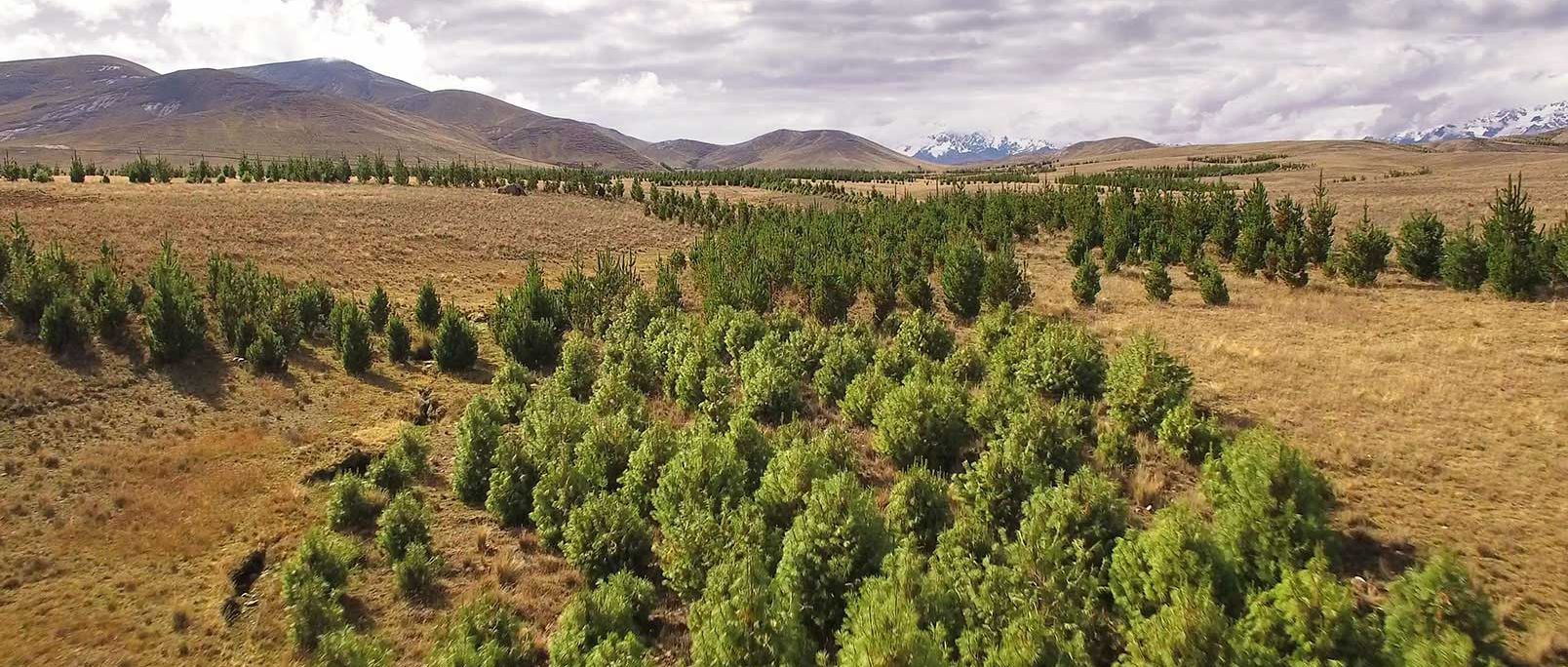
Promote the utilization of agricultural technologies that reduce and
reverse natural resources degradation.
The project will benefit the indigenous people in
the Altiplano, and consumers in the Andean region and international
markets. The number of rural communities existing in the target area is
700 approximately and the total number of potential beneficiaries of
the outputs of the project will approach 42,000 families. The project
will also represent a model for rural development based on a
comprehensive view of sustainable agriculture, which encompasses the
economic, biophysical, socio-cultural and environmental aspects of
market-oriented development. It takes advantage of CIP's generated
technologies and approaches and the rich regional eco-systems and
biodiversity. The project follows a systems and participatory approach,
which constructs upon the long and successful experiences of CIP and
its regional partners. It establishes a mechanism for the systemic
integration into farming systems of agricultural technology produced by
the commodity-oriented research carried out by several of CIP's
divisions, through a holistic approach. Tools and methods for systems,
vulnerability, climatic risk and trade off analyses developed by CIP's
Research Divisions provide support. The entire framework will be
informed by social, gender, economic, market and policy analyses, so as
to yield sound research-based options for rural development and the
evolvement of a peasant economy into a market-oriented economy.
The project is supported through a grant of 10 M CAD over five years from the government of Canada.
The
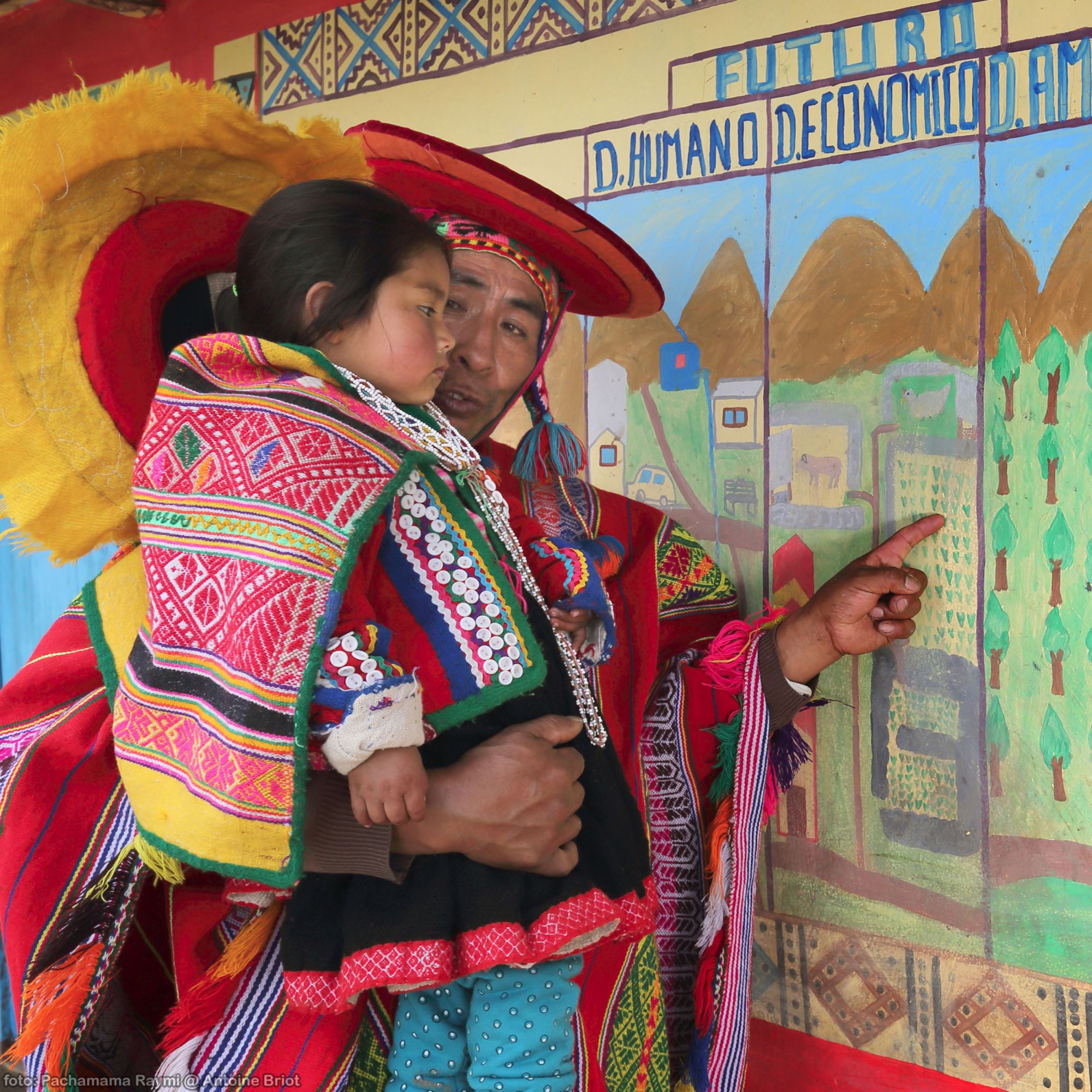
“Pachamama Raymi” approach to promote the use of technologies will be
used. This approach is a technological contest where farmers
participate with the innovations they are using for solving identified
constraints. The approach was successfully applied in other projects.
See also "Pachamama Raymi y los Objetivos de Desarrollo del Milenio (pdf) de las Naciones Unidades en los Andes". Vea también el informe de avances del proyecto: Progress report (pdf) and (doc).
|